- What Are Dental Crowns?
- Dental Crown Benefits
- Dental Crown Candidates
- Dental Crown Procedure
- Dental Crowns vs. Veneers
- Dental Crown Recovery
- Dental Crown Results
- Dental Crown Complementary Treatments
- Choosing North Scottsdale Dental Studio for Dental Crowns
- Dental Crown Cost
- Additional Dental Crown FAQs
What Are Dental Crowns?
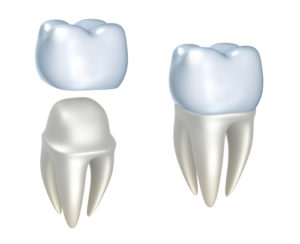 A porcelain crown is a custom-made restoration that is placed over the top of a natural tooth that has been damaged. This tooth-shaped cap is designed to cover the entire visible portion of the tooth, starting at the gum line. Crowns can effectively restore the shape, structure, and strength of the existing tooth, usually after the tooth has been fractured, had severe decay, undergone a root canal, or been weakened in some other way. In addition, porcelain crowns are used in dental bridges to support the artificial tooth filling a gap, as well as the dental implant procedure to complete the permanent tooth replacement.
Porcelain crowns at North Scottsdale Dental Studio can be crafted in one day using our advanced CEREC® milling technology. Each crown is fully customized to mimic the unique color, size, and shape of the patient’s natural tooth, ensuring a comfortable fit and natural appearance.
What Are the Benefits of Porcelain Crowns?
The crown procedure is frequently performed by our dentists, Dr. Todd Mabry and Dr. Colleen Murphy, and the restoration is highly advantageous for the right candidates. In general, patients who require a porcelain crown to reinforce a weakened tooth can expect the following benefits:
- Improved tooth appearance
- Stronger tooth structure
- Restored function of the damaged tooth
- Natural-looking results
- Efficient treatment process
- Long-lasting results
Who Is a Candidate for Dental Crowns?
Ideal candidates for dental crowns typically require additional protection for one or more teeth that are damaged or weakened. Oftentimes, candidates are those who are experiencing a broken or cracked tooth, a large cavity that can’t be fixed with a filling, or have had a root canal. Crowns can address these concerns and help restore the affected tooth or teeth, strengthening them and protecting against further damage.
What Is the Dental Crown Procedure Like?
Step 1: To begin your dental crown procedure, your dentist will numb the area around the affected tooth. Any existing decay will be removed, and the remaining tooth structure will be prepared to ensure a secure fit with the custom-crafted crown.
Step 2: Your dentist will then scan the area with the CEREC® Omnicam, a digital imaging system that eliminates the need for messy putties traditionally used to create the mold. These 3D images are sent to our computer software to design your new ceramic crown.
Step 3: Once the design has been established, our in-office milling equipment is able to craft the restoration. Dr. Mabry and Dr. Murphy will then attach your crown to the prepared tooth for the completion of your crown procedure.
Dental Crowns vs. Veneers
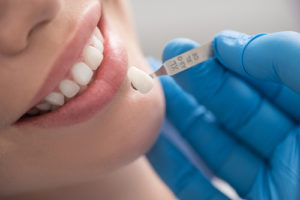 Porcelain crowns and porcelain veneers are both commonly used in dentistry to improve the shape and appearance of a tooth. Although each porcelain-based restoration can address issues like cracks and chips in a tooth, they have different underlying purposes.
- A porcelain crown covers the entire tooth to restore its form and appearance, helping reinforce its structural integrity and protect it from further damage.
- A porcelain veneer is a thin shell that is placed over the front of a tooth to improve cosmetic imperfections like discolored, cracked, and worn-down teeth.
While veneers are primarily used to improve the appearance of teeth, dental crowns are more intended to restore the form and function of a damaged tooth.
What Does the Dental Crown Recovery Process Entail?
After a dental crown procedure, mild sensitivity or soreness is often experienced for a few days as the tooth and surrounding tissues adjust. Over-the-counter pain relievers and avoiding hard or sticky foods can help ease discomfort. Good oral hygiene—brushing gently around the treated tooth and flossing carefully—supports healing and protects the crown. Most patients adjust quickly once the crown is in place, and it should feel comfortable and function like a natural tooth, allowing normal eating and speaking.
How Long Do Porcelain Dental Crowns Last?
Although crowns can last a lifetime for some patients, it is not uncommon for them to come loose after several years of wear. To help you maintain your porcelain crown for as long as possible, it is important that you practice good oral hygiene. This includes daily flossing, brushing twice per day, and attending routine dental cleanings and exams. In addition, when you avoid chewing overly hard foods, such as ice, you can help prevent premature wear and potential damage to your restoration.
What Are Complementary Treatments to Dental Crowns?
Dental crowns can be used in conjunction with other oral treatments to restore the appearance and function of a tooth. Crowns are commonly used in the dental implant procedure when the patient is replacing a single tooth. The dental crown acts as the new tooth and the implant as the tooth’s root. A dental bridge is another option that utilizes crowns and can fill the space made by a missing tooth. Bridges are often made of an artificial tooth between two dental crowns placed on the surrounding teeth for additional support and a natural look. Patients with severely damaged teeth may require a root canal to prevent tooth extraction, and afterwards, a dental crown can be placed on the tooth for a natural look and durable protection.
Choosing North Scottsdale Dental Studio for Dental Crowns
Choosing North Scottsdale Dental Studio for restorative dentistry treatments such as porcelain crowns means receiving personalized care focused on both function and aesthetics. Our experienced dental team uses advanced technology and high-quality materials to design crowns that can restore the strength of damaged teeth while blending naturally with your smile. Each crown is carefully customized to match the color, shape, and size of your surrounding teeth for a seamless appearance.
At North Scottsdale Dental Studio, we also emphasize patient comfort and clear communication throughout the process. From your initial evaluation to the final placement of your crown, our team is committed to providing precise treatment and long-lasting results that help protect your oral health and enhance your smile.
How Much Do Porcelain Dental Crowns Cost?
The amount you can expect to pay for your new porcelain crown will depend upon your unique needs. Since the details of the procedure are customized for each individual, the total cost will typically vary from case to case. Factors that may alter your cost include how many crowns are needed and if preliminary work is required, such as root canal therapy. Once your dentist has had the opportunity to examine your dental needs and create a treatment plan, our staff will provide you with a cost quote, help you determine if your insurance will cover any part of your cost, and discuss your dental financing options.
Additional Porcelain Crown Frequently Asked Questions
Is the dental crown procedure painful?
The dental crown procedure is generally not painful, as local anesthesia numbs the tooth and surrounding area. You may feel slight pressure or vibration during preparation, but not sharp pain. Once the anesthesia wears off, mild sensitivity or soreness is common and typically fades within a few days. Over-the-counter pain relievers can help ease discomfort. Most patients find the process comfortable and can return to normal activities the same day.
How do I know if I need a crown or filling?
In most cases, a filling is used for small to moderate cavities or minor tooth damage. A crown is usually recommended for more extensive decay, cracks, or weakened teeth that need better coverage and reinforcement. Signs you may need a crown instead of a filling include a large portion of the tooth being damaged, a root canal-treated tooth, or a cracked tooth at risk of breaking further. Our dentists can assess the damage through an exam and X-rays to determine the most appropriate, long-lasting treatment for your tooth’s health and function.
How do I care for my dental crown?
Caring for a dental crown involves maintaining a strong oral hygiene routine—brush twice daily with a soft-bristled toothbrush, floss carefully around the crown, and use an antibacterial mouthwash if recommended. Avoid chewing hard objects like ice or using your teeth as tools to prevent damage. Limit sticky or overly hard foods, especially right after placement. Attend regular dental check-ups so our team can monitor your crown’s condition. With proper care, a dental crown can last many years, protecting your tooth and maintaining your smile’s function and appearance.
Can I eat normally after getting a porcelain crown?
Most patients can eat normally after receiving a porcelain crown. Once the crown is securely placed and any temporary sensitivity subsides, it should function much like a natural tooth. Porcelain crowns are designed to be strong and durable, allowing you to chew and bite comfortably. However, it is still wise to avoid extremely hard foods, ice, or habits like chewing on pens, as these can damage both natural teeth and dental restorations.
Are porcelain crowns strong enough for back teeth?
Porcelain crowns are often strong enough for back teeth. Modern dental porcelain can be highly durable and is designed to withstand the pressure of chewing and biting in the molar area. When properly placed and cared for, porcelain crowns can restore strength and function to damaged teeth while maintaining a natural appearance. With good oral hygiene and regular dental checkups, porcelain crowns on back teeth can last many years.
Do porcelain crowns stain like natural teeth?
Porcelain crowns are known to be highly resistant to staining and generally do not discolor as easily as natural teeth. The smooth, non-porous surface of dental porcelain helps prevent pigments from foods and beverages like coffee, tea, or red wine from penetrating the material. However, maintaining good oral hygiene and regular dental cleanings is still important to keep the crown and surrounding teeth looking their best.
Does insurance cover dental crowns?
Dental insurance often offers partial coverage for crowns, if they are deemed medically necessary to restore a damaged or decayed tooth. Coverage can vary by plan and may require a waiting period or have annual maximum limits. Cosmetic crowns placed solely to improve appearance are usually not covered. It’s best to review your policy or consult your insurance provider to understand your specific benefits, coverage percentage, and any out-of-pocket costs for your crown treatment.
For more information about porcelain crowns, contact our office to schedule a consultation.